The 2026 Guide on Citizenship through Investment in Paraguay


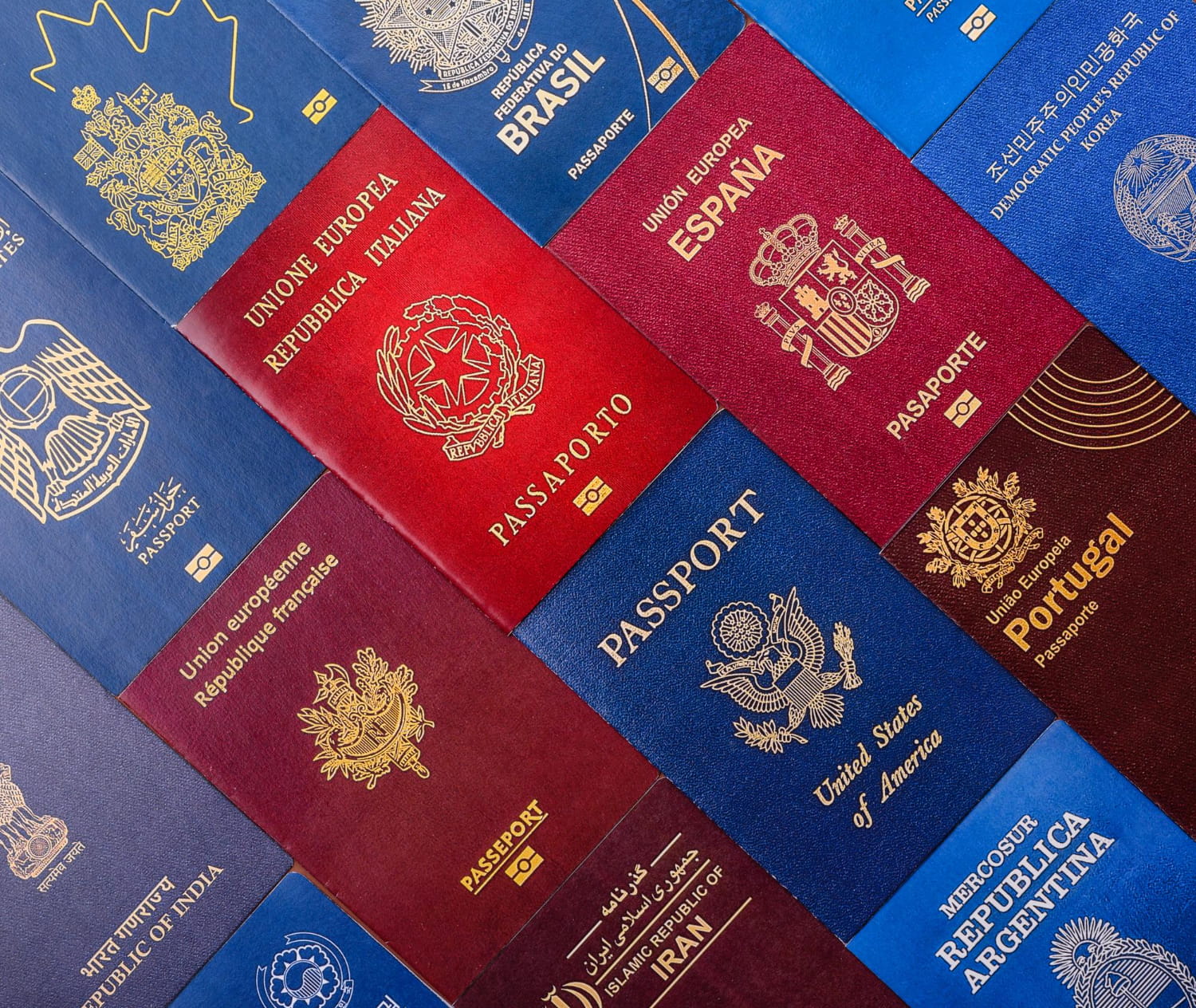
In the evolving landscape of global mobility, 2026 marks a significant turning point. As European "Golden Visas" continue to face restriction and Caribbean Citizenship by Investment (CBI) programs have standardized their pricing to a minimum of $200,000, savvy investors are turning their eyes toward the "Heart of South America."
Paraguay has long been a "best-kept secret" among perpetual travelers and tax optimists. However, with the full implementation of the 2022 Migration Law (Law No. 6984/2022) and the streamlined digital processes of 2025, Paraguay now offers one of the most pragmatic, affordable, and strategically sound paths to residency and eventual citizenship in the world.
This guide provides a deep dive into the 2026 requirements, investment thresholds, and the step-by-step journey from investor to Paraguayan citizen.
Why Paraguay in 2026? The Strategic Value Proposition
For the modern investor, citizenship is more than just a passport; it is a hedge against geopolitical instability, a tool for tax optimization, and a gate to emerging markets.
1. The Territorial Tax Advantage
Paraguay remains one of the few nations globally that employs a semi-territorial tax system. In 2026, while G7 nations are tightening the net on global income, Paraguay generally only taxes income earned within its borders. Foreign-sourced income—such as dividends from offshore companies, international consulting fees, or crypto gains—often remains tax-free or subject to minimal reporting.
2. The Mercosur Gateway
As a full member of Mercosur, a Paraguayan passport (and even residency) grants you the right to live and work across South America, including Brazil, Argentina, and Uruguay. In 2026, as South American trade blocs integrate further, this "regional citizenship" is becoming increasingly valuable for entrepreneurs.
3. Economic Stability and Growth
While neighboring giants have struggled with inflation, Paraguay has maintained one of the most stable currencies (the Guaraní) and consistent GDP growth in the region, driven by its status as a global leader in clean energy (Itaipu Dam) and agricultural exports.
Understanding the "Investment" Path (The SUACE Program)
It is crucial to clarify a common misconception: Paraguay does not have a "Direct" Citizenship by Investment program. You cannot simply donate money and receive a passport in three months.
Instead, Paraguay offers a Residency by Investment (RBI) path that leads to naturalization. The primary vehicle for this is the SUACE (Unified System of Business Opening and Closing).
The Investment Threshold (2026 Update)
As of 2026, the standard investment requirement through the SUACE program is USD $70,000.
Unlike Caribbean programs where this is a "sunk cost" (donation), in Paraguay, this is capital you invest in your own business. This capital can be used for:
- Purchasing commercial real estate.
- Buying machinery or equipment.
- Initial operating costs and payroll for a local startup.
- Agricultural ventures.
The Residency Timeline
Under the current law, the process follows a three-step ladder:
- Temporary Residency (2 years): All investors must first hold temporary residency.
- Permanent Residency: After two years, you convert to permanent status.
- Naturalization: After three years of legal residency (including the temporary period), you are constitutionally eligible to apply for citizenship.
Step-by-Step: From Application to Passport
Step 1: Document Preparation (Month 1)
The success of a Paraguayan application depends entirely on the "Apostille." All documents must be issued within six months of submission.
- Birth Certificate: Legalized or Apostilled.
- Clean Criminal Record: From your country of origin and any country you’ve lived in for the last five years.
- Marriage/Divorce Certificates: If applicable.
- Certificate of Good Health: Usually obtained locally in Asunción.
Step 2: The Investment Application (SUACE)
To qualify as an investor, you must submit a business plan to the Ministry of Industry and Commerce. In 2026, this process has been digitized. You must demonstrate that your $70,000 investment will create at least five jobs for Paraguayan nationals over a 10-year period (though this is often audited based on the scale of the business).
Step 3: Temporary Residency (The "Admission Temporaria")
Once your investor status is approved, the Migration Department (Migraciones) issues your Temporary Residency card. This card is valid for two years.
- Physical Presence: While you are not required to live in Paraguay 365 days a year, "meaningful ties" are expected if you intend to pursue citizenship later.
Step 4: Permanent Residency (The "Admission Permanente")
After 24 months of temporary residency, you apply for the Permanent Card. This process is significantly faster than the initial application, provided you have maintained a clean record in Paraguay.
Step 5: The Path to Citizenship (The Naturalization Process)
According to Article 146 of the National Constitution, to become a naturalized citizen, you must:
- Be at least 18 years old.
- Have resided in Paraguay for at least three years.
- Exercise a profession, trade, science, or art within the country.
- Possess good conduct.
- Pass a basic interview in Spanish regarding Paraguayan history, geography, and the Constitution.
Note on 2026 Processing Times: The Supreme Court of Justice handles naturalization. Due to increased demand, the "Naturalization Decree" currently takes 12 to 18 months from the date of filing.
The Real Estate Route vs. Business Route
While the SUACE business route is the official "Investor" path, many high-net-worth individuals choose the Real Estate Route.
In 2026, the real estate market in Asunción (specifically districts like Villa Morra and Lomas de Carmelo) has seen a surge. By purchasing a property valued over $70,000, you can technically apply for residency under the same economic solvency rules, though the "Investor" status via SUACE provides faster processing and certain tax exemptions for importing capital goods.
Costs and Fees
Investors should budget for the following (all figures in USD):
- Government Fees: Approximately $800 - $1,200 for residency.
- Legal/Agency Fees: $3,000 - $7,000 depending on the complexity of the business plan.
- Capital Deposit: If not using the SUACE business route, you may be required to show "solvency" via a deposit of ~$5,000 in a Paraguayan bank, which is returned once residency is granted.
Lifestyle and Integration: Living in Paraguay
Paraguay is often called the "Land of Encounters." For an investor, the lifestyle is one of the most affordable in the Western Hemisphere.
- Cost of Living: A luxury lifestyle in Asunción costs roughly 40% of what it would in Miami or Madrid.
- Climate: Subtropical. Summers are hot; winters are mild.
- Safety: Paraguay consistently ranks as one of the safer countries in the region, particularly in gated communities and the business districts of the capital.
- Language: While Spanish and Guaraní are official languages, the business community in Asunción is increasingly English-proficient. However, for citizenship, basic Spanish is mandatory.
Conclusion: The Strategic Move for 2026
Paraguay represents the ultimate "asymmetric bet" in the world of investment migration. The barrier to entry remains remarkably low ($70,000) compared to the benefits of a 10% flat tax environment and a gateway to the Mercosur region.
For the investor who values freedom, privacy, and economic growth, the Paraguayan path to citizenship is no longer just an alternative—it is a primary strategy. As the world becomes more restrictive, the "Heart of South America" remains open for those willing to invest in its future.